Every city in the world has its “core business.” Explanations.
What is unique about Paris? Why do millions of people come from all over the world to visit it? Mainly for art. Paris is a city of art and culture.
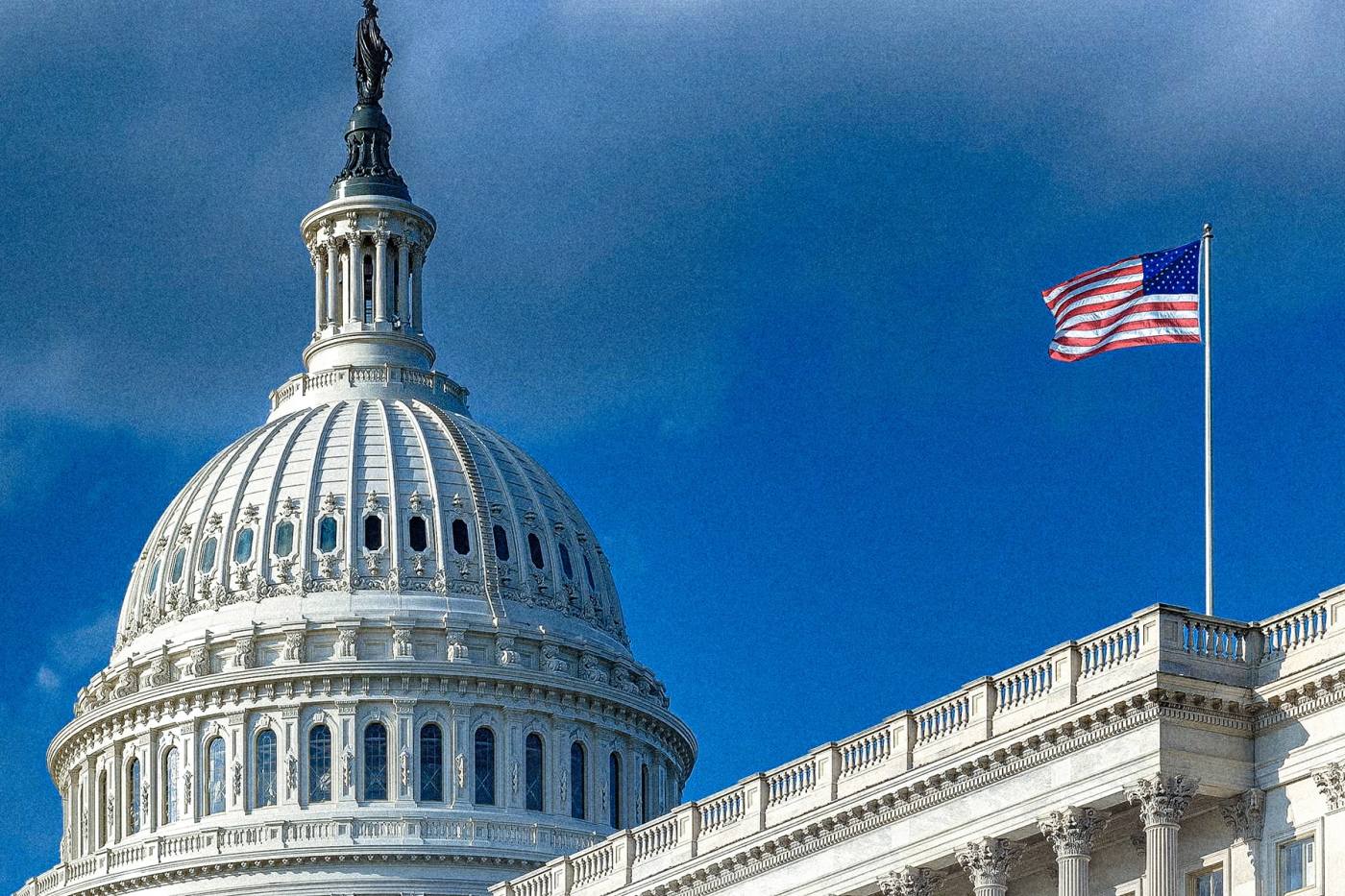
Can we say that Washington, DC, is a city of art and culture, despite its many museums? No, it’s a city of power.
And Tokyo, art or power? No, it’s a city of shopping…
How do we arrive at these conclusions? Simply by listing the main monuments and remarkable buildings, old and new, in a city and comparing them with their raison d’être.
Let’s do the exercise together.
PARIS
What are the main buildings visited? The museums, of course, are numerous, more than a hundred: the Louvre, Centre Pompidou, Picasso Museum, the Jeux de Paume, the Orsay Museum, the Quai Branly Museum, the Orangerie Museum, the Rodin Museum, the Arab World Museum, the Louis Vuitton Foundation, etc., etc.
As well as the monuments considered today as works of art, the Eiffel Tower at the forefront, but also the Pont Alexandre, the Grand Palais, the Sorbonne, the Invalides, the Panthéon, the Obelisk, the Arc de Triomphe, Notre-Dame, and also cultural venues such as the Garnier and Bastille opera houses, La Philharmonie, La Grande Bibliothèque, La Maison de la Radio, and more.

Paris is therefore truly THE city of Art and Universal Knowledge.
WASHINGTON DC
What to admire in the federal capital of the United States of America: the buildings of power like the White House, the Capitol, the Supreme Court, the Pentagon… as well as numerous memorials dedicated to former presidents including George Washington, Abraham Lincoln, Thomas Jefferson or to past wars, World War II, Korea, Vietnam, not to mention Arlington Cemetery as well as the famous Air and Space Museum, a symbol of power and supremacy if ever there was one.

Washington DC is undoubtedly THE city of power.
TOKYO
The remarkable buildings of Tokyo, a city that was completely razed at the end of World War II, are therefore relatively new. Only the Imperial Palace partially escaped the bombs, as did the art deco Wako department store building on Ginza… a sign.
Yes, a sign, because the majority of the remarkable architecture in the Japanese capital are flagship stores or department stores. Hermès, Tod’s, Chanel, Vuitton, Mikimoto, Asahi, De Beers, Prada, Audi, and Nissan occupy buildings designed by great architects and designers such as Toyo Ito, Herzog and de Meuron, Klein Dytham, and Philippe Starck, among others. Tokyo’s other most visited places are also commercial centers: Shibuya, Omotesando, Midtown, Roppongi Hills, Ginza, Azabu Dai… Even the famous and ancient Asakusa shrine (also spared by the war) sees its long central avenue occupied by dozens of small shops.

There is no doubt about it, Tokyo is indeed THE city for shopping.
NEW YORK
With its Twin Towers (World Trade Center), a symbol destroyed on September 11, 2001 but now replaced by One World Trade Center, New York boasts a large number of landmarks: Wall Street, Empire State Building, Flatiron Building, Chrysler Building, Rockefeller Center, Trump Tower, One Vanderbilt, The Edge, Hudson Yards, Times Building, etc.
New York is primarily a city of business, but also of show business, with its many theaters on Broadway, including Radio City Music Hall, Apollo Theater, Carnegie Hall, Madison Square Garden, Lincoln Center, and more. It’s also a city of art, with its numerous museums: Guggenheim, Moma, Metropolitan Museum of Art, etc.

New York, NY, is undoubtedly THE city of business and free enterprise
Let’s dare to do the exercise in Brussels. Since the Atomium (a remarkable achievement in fact), symbol of Expo 58, what has been built that is special in the city? The Berlaimont, the Caprice des Dieux, the Cité Administrative, the Madou, Astro, Rogier towers, Finance Tower, the NATO headquarters, and numerous offices… Brussels, the capital of Europe, has unfortunately become THE city of bureaucracy, if not of paperwork…
Fortunately, there was Leopold II, Victor Horta and his disciples, and the Grand-Place.
Continue with other major cities and you will see that Rome remains an ancient city, Barcelona a city of modern art, London the city of trading and sovereignty, Dubai the city of all challenges, Shanghai the Asian equivalent of New York, wanting to become the mega-city of business, while Beijing remains the city of power and culture, like Washington DC… coincidence? No. There are still places to be filled for cities that want to stand out… become a city of artificial intelligence, a city of ecology, of all-electricity, of water, of car-free… One thing is certain: looking at the new construction underway and upcoming projects all over the world, but especially in Asia, the future will be breathtaking.
So look at your home and see what types of buildings your local officials are investing in, and what types of buildings local businesses are investing in. You will then see the future of your city. Art, business, power, spirituality, shopping, ecology, sports… and, if you don’t see any sign of remarkable new architecture… move quickly!!!
DID YOU KNOW ?
In 1700, only 7% of humans lived in cities, 20% in 1910, and 30% in 1950. The 50% mark was crossed in 2010, and estimates predict 65% by mid-century.
With population growth, here is the number of urban humans since 1700:
1700: 45 million
1910: 340 million
1950: 750 million
2010: 3.5 billion
2050: 6.18 billion
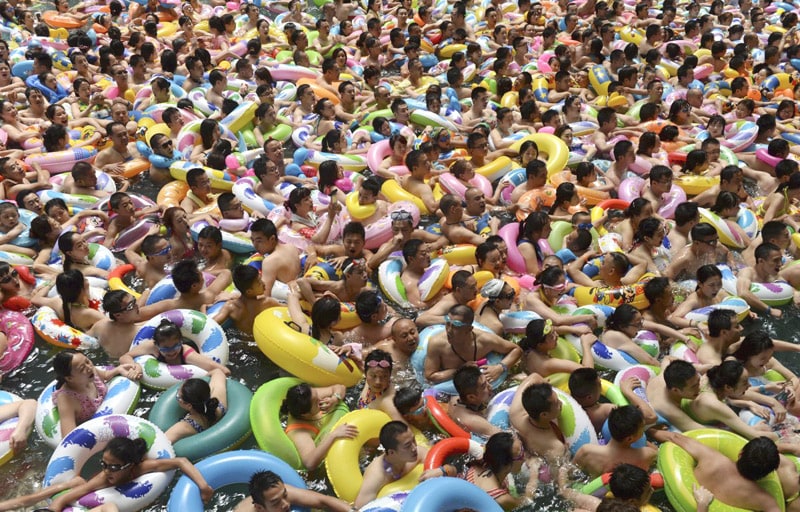
The planet adds 200,000 more inhabitants every day, or 1,500,000 per week, 6 million per month, and 72 million per year! You read that right. That’s a new city the size of Paris about every two months. Visit the Worldometers website and you’ll probably be amazed by the numbers you discover.
Let’s be modest. This post you’re reading now is one of 5 million published today!!!
 ADMIRABLE ARCHITECTURE - BLOG
Leave a comment