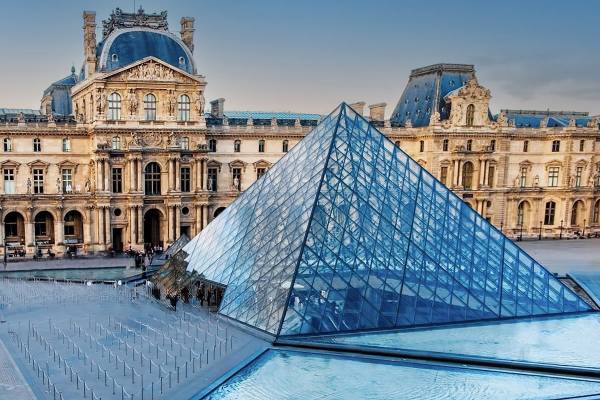
Chaque ville du monde a son «core business». Explications. Quelle est la spécificité de Paris ? Pourquoi des millions de personnes viennent des 4 coins du monde pour la visiter ? Principalement pour l’art. Paris est une ville de culture et d’art. Peut-on dire que Washington DC est une ville de culture et d’art, malgré ses nombreux musées ?... Continue Reading →
City, show me your architecture, and I’ll tell you who you are!
Every city in the world has its "core business." Explanations. What is unique about Paris? Why do millions of people come from all over the world to visit it? Mainly for art. Paris is a city of art and culture. Can we say that Washington, DC, is a city of art and culture, despite its... Continue Reading →
Stad, laat me je architectuur zien, en ik zal je vertellen wie je bent!
Elke stad ter wereld heeft zijn "core business". Wat uitleg. Wat is er uniek aan Parijs? Waarom komen miljoenen mensen van over de hele wereld hierheen? Voornamelijk voor de kunst. Parijs is een stad van kunst en cultuur. Kunnen we zeggen dat Washington D.C. een stad van kunst en cultuur is, ondanks de vele musea?... Continue Reading →
Secular cathedral
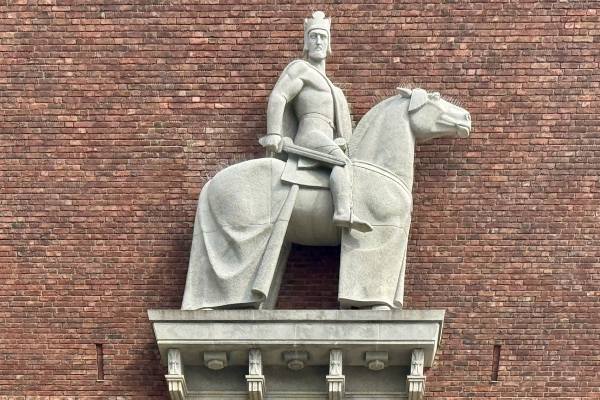
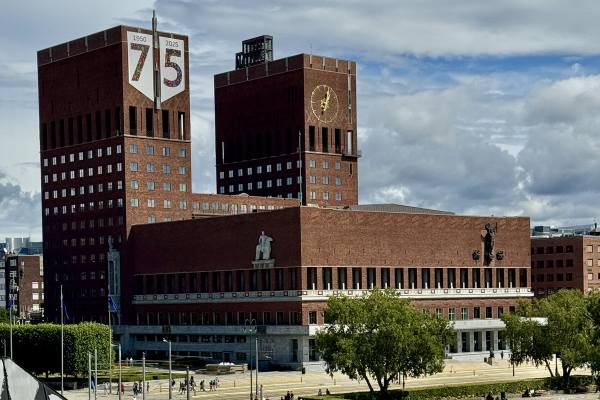
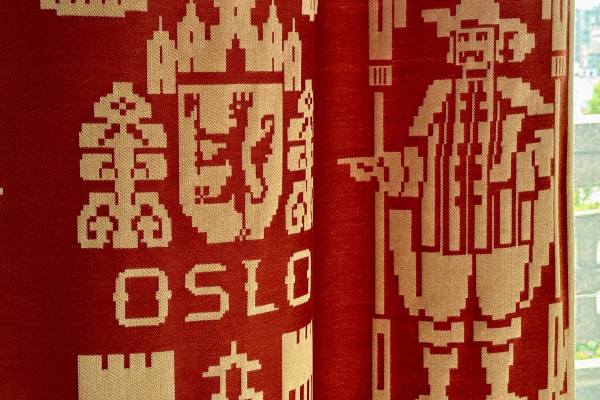
On the edge of the fjord, the twin towers of Oslo City Hall rise like a red brick temple, stoic, as if poised on the water. Conceived in 1906 and completed in 1950, after decades of design and construction marked by wars, this building is both an emblem of Scandinavian sobriety and a remarkable showcase... Continue Reading →
Cathédrale laïque
Au bord du fjord, les deux tours de l’Hôtel de Ville d’Oslo s’élèvent tel un temple en briques rouges, stoïque, comme posé sur l’eau. Pensé en 1906, achevé en 1950, après des décennies de conception et de construction marquées par les guerres, ce bâtiment est à la fois un emblème de sobriété scandinave et un... Continue Reading →
Seculiere kathedraal
Aan de rand van de fjord verrijzen de twee torens van het stadhuis van Oslo als een rode bakstenen tempel, stoïcijns, alsof ze op het water balanceren. Ontworpen in 1906 en voltooid in 1950, na decennia van ontwerp en bouw getekend door oorlogen, is dit gebouw zowel een symbool van Scandinavische soberheid als een opmerkelijk... Continue Reading →
La seconde vie de l’Okura
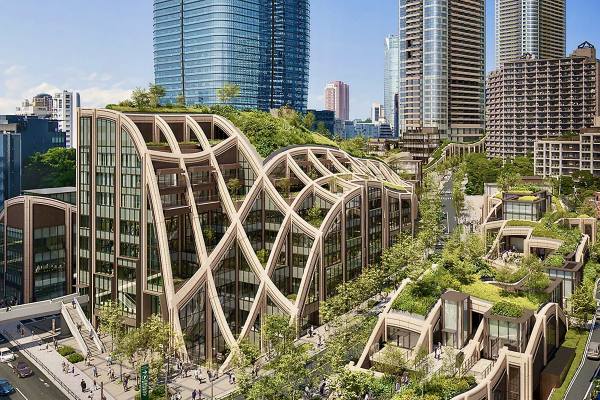
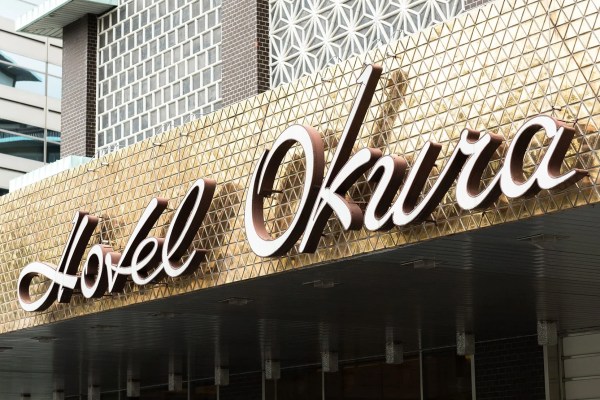
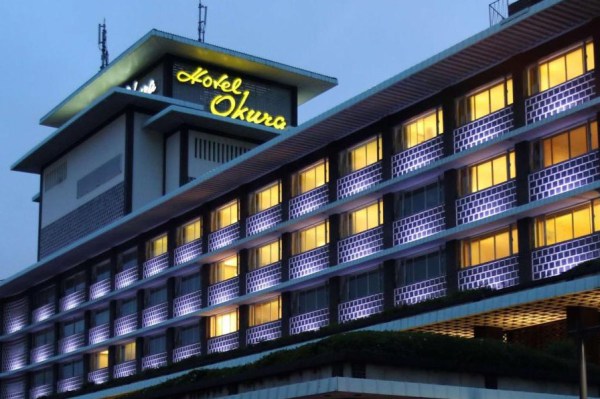
Kishichiro Okura (1882-1963), fils unique héritier d’un grand entrepreneur, étudie à Cambridge et revient au Japon imprégné de culture occidentale. Homme d’affaires avisé et visionnaire, il rêve de construire un hôtel de luxe qui rassemble les deux cultures. En mai 1962 on inaugure dans le quartier de Toranomon à Tokyo, l’Hotel Okura, œuvre de l’architecte... Continue Reading →
The second life of Okura
Kishichiro Okura (1882-1963), the only son and heir of a prominent entrepreneur, studied at Cambridge and returned to Japan steeped in Western culture. A shrewd and visionary businessman, he dreamed of building a luxury hotel that would bring the two cultures together. In May 1962, the Hotel Okura, designed by architect Yoshiro Taniguchi, opened in... Continue Reading →
Het tweede leven van Okura
Kishichiro Okura (1882-1963), de enige zoon en erfgenaam van een vooraanstaande ondernemer, studeerde aan Cambridge en keerde terug naar Japan, doordrenkt van de westerse cultuur. Als slimme en visionaire zakenman droomde hij van de bouw van een luxehotel dat de twee culturen zou verenigen. In mei 1962 opende Hotel Okura, ontworpen door architect Yoshiro Taniguchi,... Continue Reading →